MASTER’S DEGREE IN PAINTING AND CONTEMPORARY VISUAL ARTS
In the contemporary artistic landscape, characterized by a plurality of languages, the speed of information, and the cross-contamination between disciplines, the artist operates within a constantly evolving global context. In this scenario, painting, while maintaining its material and visual autonomy, now engages in dialogue with digital and multimedia practices.
Today’s artist is therefore called upon to conceive the artwork not only as an aesthetic object, but as a tool for critical reflection and cultural dialogue about the present.
The Master of Arts Program in Painting and Contemporary Visual Arts trains artists capable of critically interpreting the contemporary reality and translating their ideas into original works. The program emphasizes independent research and the experimentation of new expressive languages, fostering a conscious dialogue between art, society, and global culture.
Requirements
Applicants eligible for enrollment in the Master of Arts Program include all those who hold a Bachelor Degree corresponding to the requirements of the chosen program, as well as any foreign qualification recognized as suitable by the ABA UD, in accordance with current regulations and international agreements.
For ABA UD’s Programs taught either in Italian or in English, the required level of language is B2. Students are required to submit evidence of their knowledge of the language.
The entrance assessment can be conducted by the presentation of a portfolio. Should the submitted material require further evaluation, an admission interview may be scheduled in order to assess the candidate’s motivation and suitability for the chosen course of study.
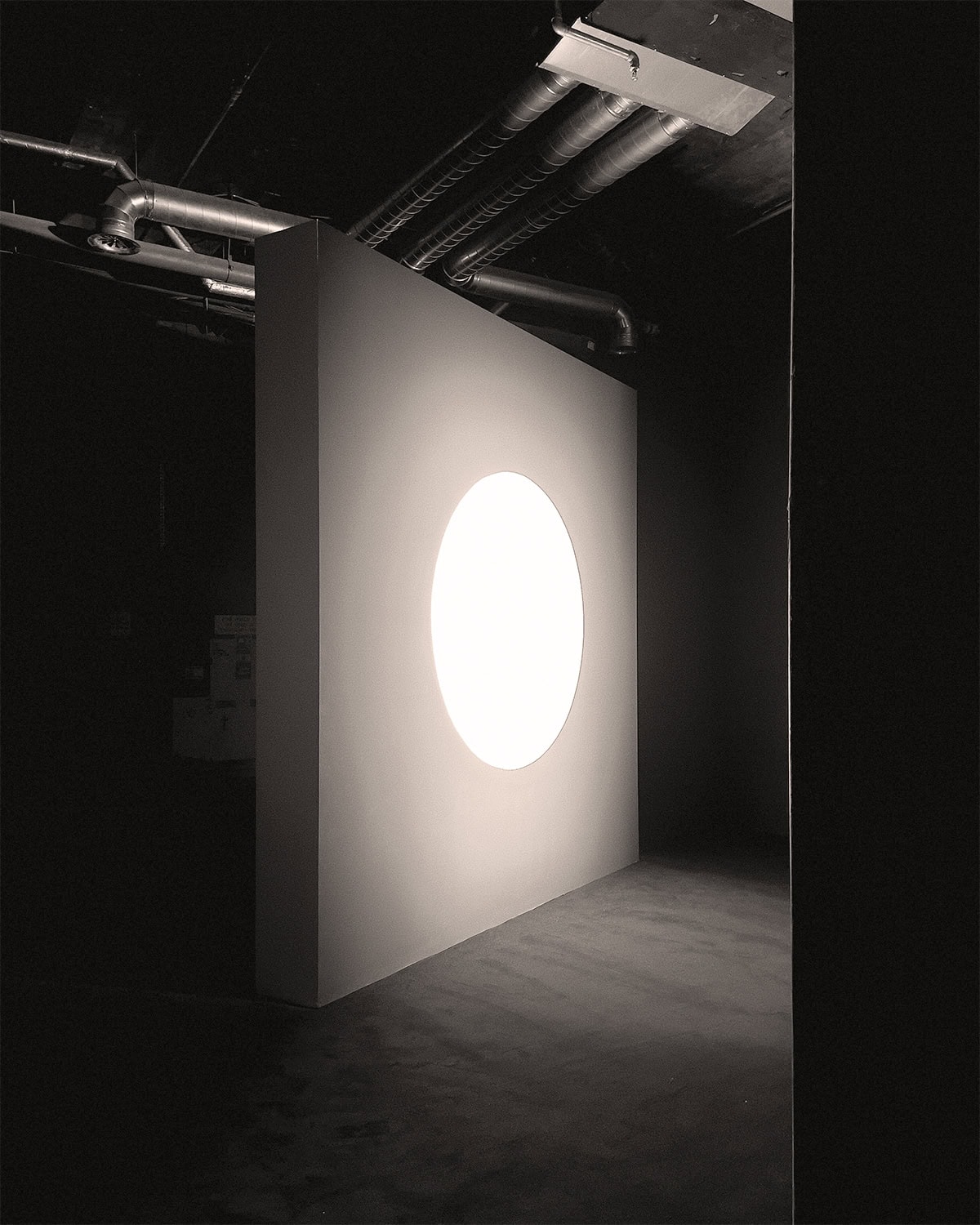
The Master of Arts program in Painting and Contemporary Visual Arts trains artists capable of interpreting the complexity of the present through research, experimentation, and innovative expressive languages, fostering a critical and conscious understanding of the role of art in contemporary society. This program combines theory and practice, encouraging the development of an independent artistic identity and the ability to engage with the global sphere of contemporary art through experimentation, reflection, and creative planning.
Teaching Methodology
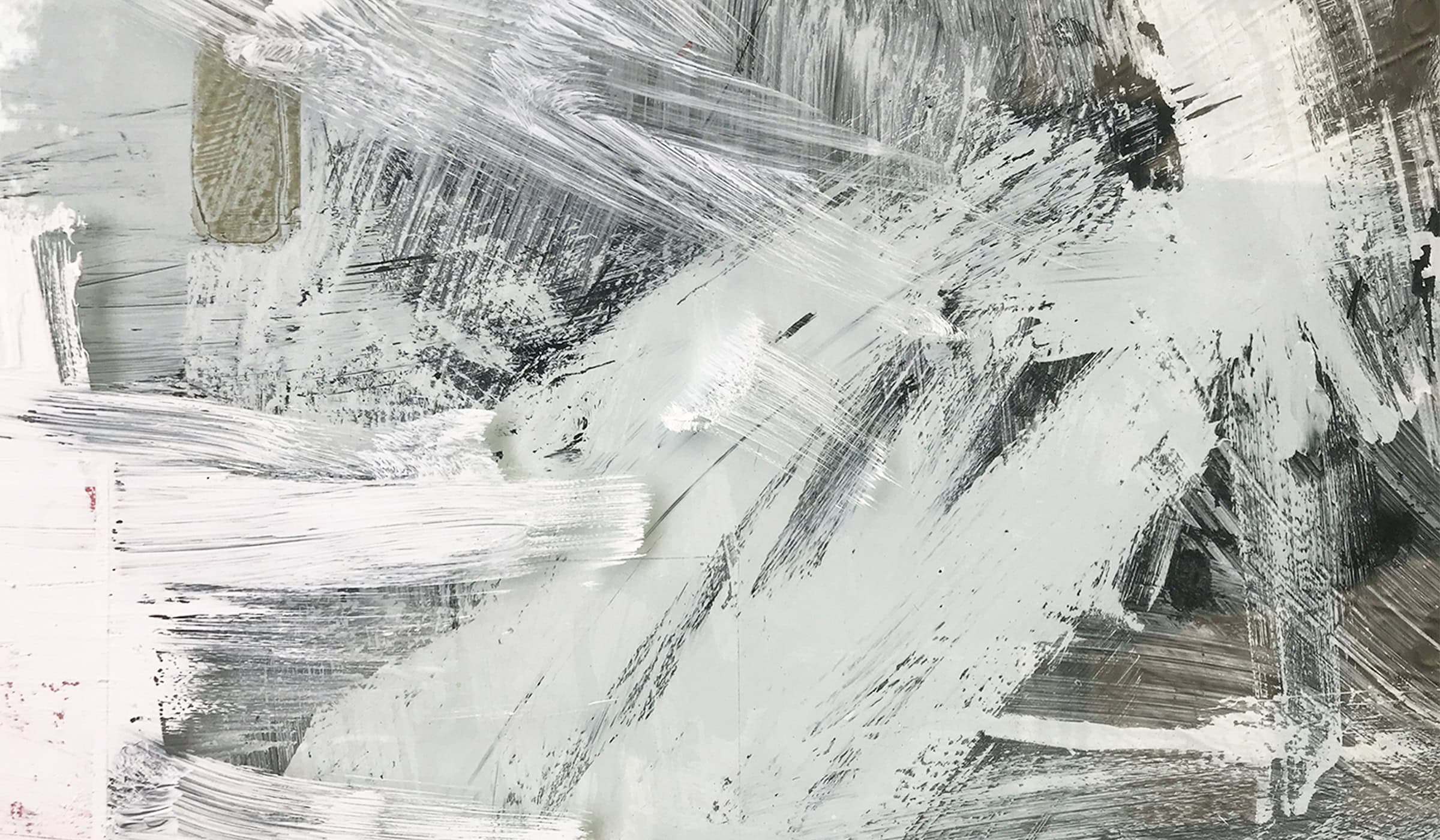
The program integrates practical activities and experimental projects with theoretical studies in art history and criticism, guiding students in the exploration of the multiple languages of contemporary art, where painting engages with digital media, installations, performances, and new technologies. Within this context, students develop skills through advanced techniques, digital tools, and creative methodologies, gaining autonomy in designing, communicating, and producing complex works. The combination of formal experimentation, interactivity, and cross- disciplinary influences transforms each project into an opportunity for critical reflection and cultural dialogue.
Graduates can pursue careers as professional artists, curators, cultural designers, or creative consultants.
Thanks to their multidisciplinary training and focus on experimentation, they are prepared to work in both national and international contexts, managing their careers independently and developing innovative projects within the artistic and cultural sectors.